The Cyber Mirage
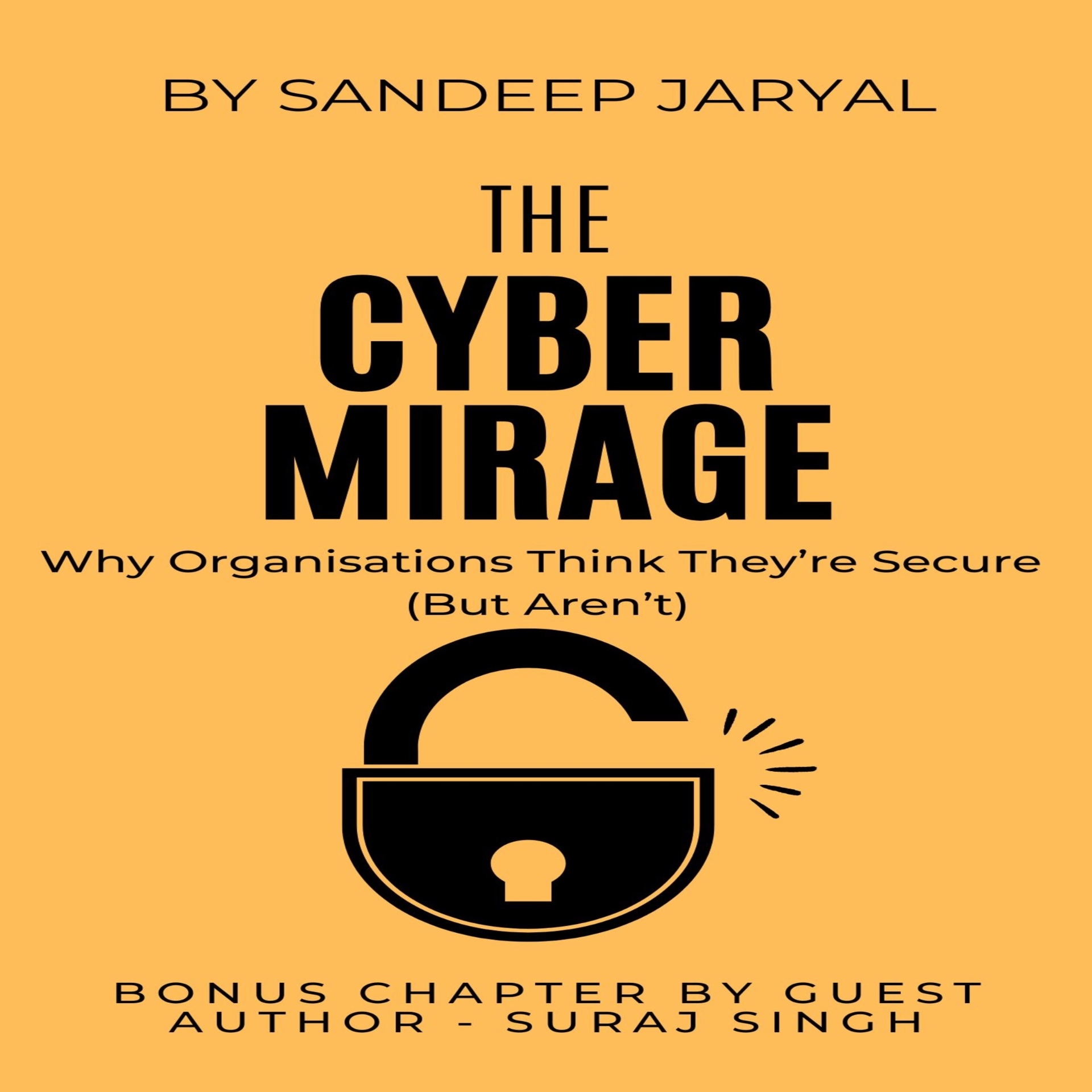
Why do organisations with more technology and frameworks still struggle to make better security decisions? The Cyber Mirage explores the assumptions, incentives and illusions that often matter more than the tools themselves.
After more than two decades advising organisations on cybersecurity, AI security, governance and leadership, I’ve learned that the quality of our decisions ultimately determines the quality of our outcomes.

Over more than two decades, I've watched organisations invest in better tools, stronger controls and new technologies. Yet the same problems return. Not because the technology failed, but because decisions were made without enough clarity, context or judgement. That's where I believe the real work begins.
I began by building the systems others took for granted. What I learned early was that systems are held together by assumptions — and assumptions, not tools, are where risk quietly accumulates.
Years of on-call nights taught me a lesson no framework does: resilience is not a property of a system. It is a property of the people who tend to it, under pressure, at 3am, with incomplete information.
Somewhere along the way, security stopped being a control set and became a question about incentives, culture and consequence. I stopped defending perimeters and started studying decisions.
I watched capable leaders reach for the wrong instrument under pressure — again and again. It was not competence that failed them. It was clarity. Clarity became the real work.
Directors did not need more dashboards. They needed one true sentence they could act on. That translation — from complexity to consequence — became a craft in its own right.
The Cyber Mirage was written to name the illusions the industry sells itself: the dashboards, the maturity models, the reassuring language. What remains, once the mirage is removed, is the actual work.
AI did not invent new questions. It amplified older ones — about judgement, accountability and the shape of a decision. The machines are learning, and so must the people accountable for them.
Security, AI and leadership, I came to see, are the same problem in different clothes: how organisations decide under uncertainty. This realisation is the bridge to SecurePosture and Risk Decision — tools built for the decision, not the dashboard.
ScyberX, SecurePosture and SecureMyChild are different audiences, different formats, one intention: give people the clarity they need before the moment gets loud.
Writing, speaking, advising, building. Always in service of one thing — better decisions, in the rooms where the stakes are highest.
Security is not about fear. It is about clarity.
AI is not about replacing judgement. It is about strengthening it.
Leadership begins where certainty ends.
Technology changes quickly. Human behaviour does not.
Better decisions shape stronger organisations.

Why do organisations with more technology and frameworks still struggle to make better security decisions? The Cyber Mirage explores the assumptions, incentives and illusions that often matter more than the tools themselves.

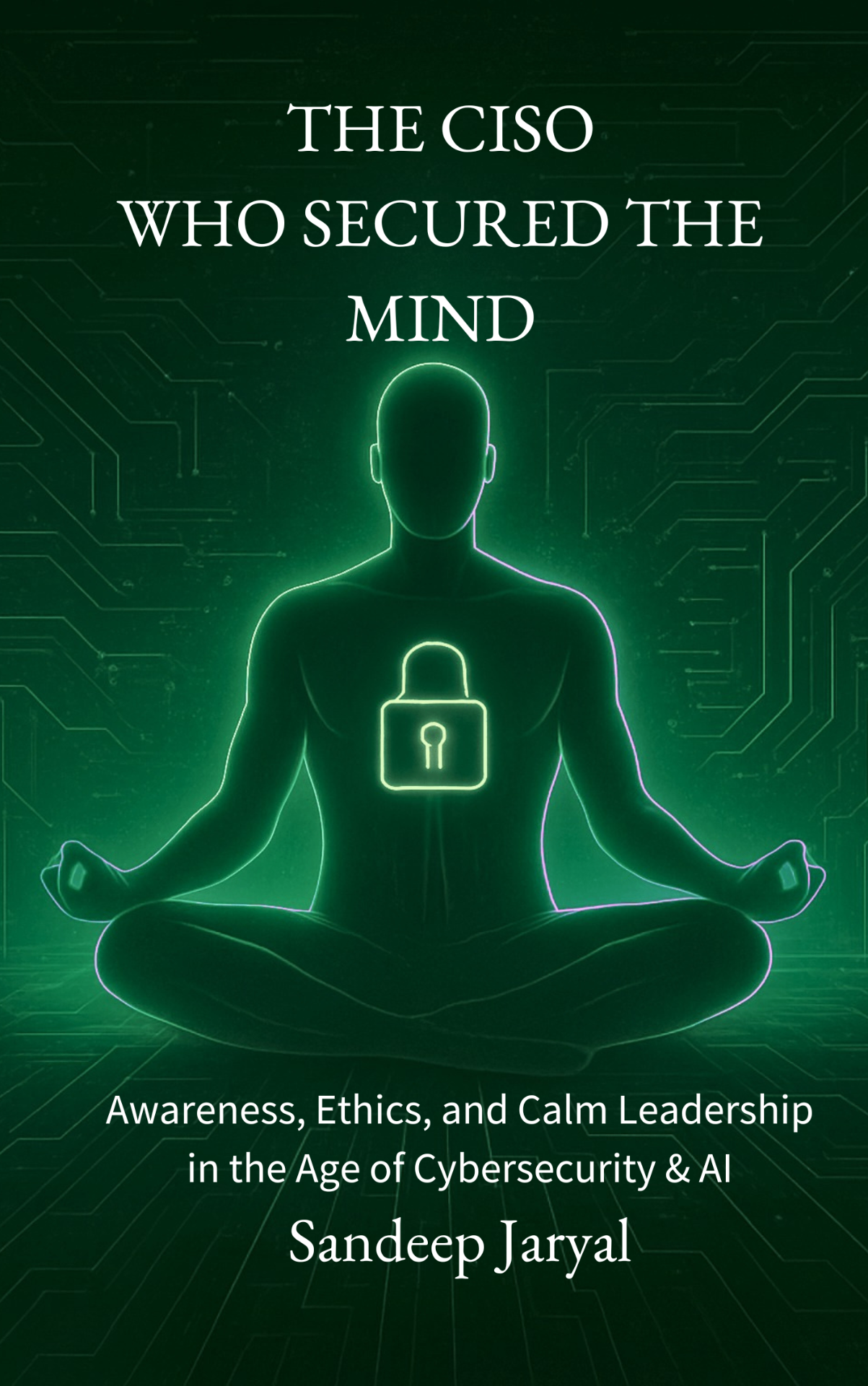
What happens when the person making the security decision becomes the greatest vulnerability? The CISO Who Secured the Mind explores judgement, resilience and leadership under pressure in the age of AI.
Five expressions of one mission — helping people make better decisions wherever the stakes are highest.
Cybersecurity and AI security advisory for organisations that cannot afford to be unclear.
Visit ScyberX →Security posture intelligence for consultants, vCISOs and MSSPs — clarity over dashboards.
Explore SecurePosture →Online safety guidance for families and schools — because the risk found the children first.
Visit SecureMyChild →Short-form ideas exploring cybersecurity, AI security & governance and leadership — in video, writing and conversation.
Explore the Series →New tools and ideas in development at the intersection of decision intelligence, AI and human judgement.
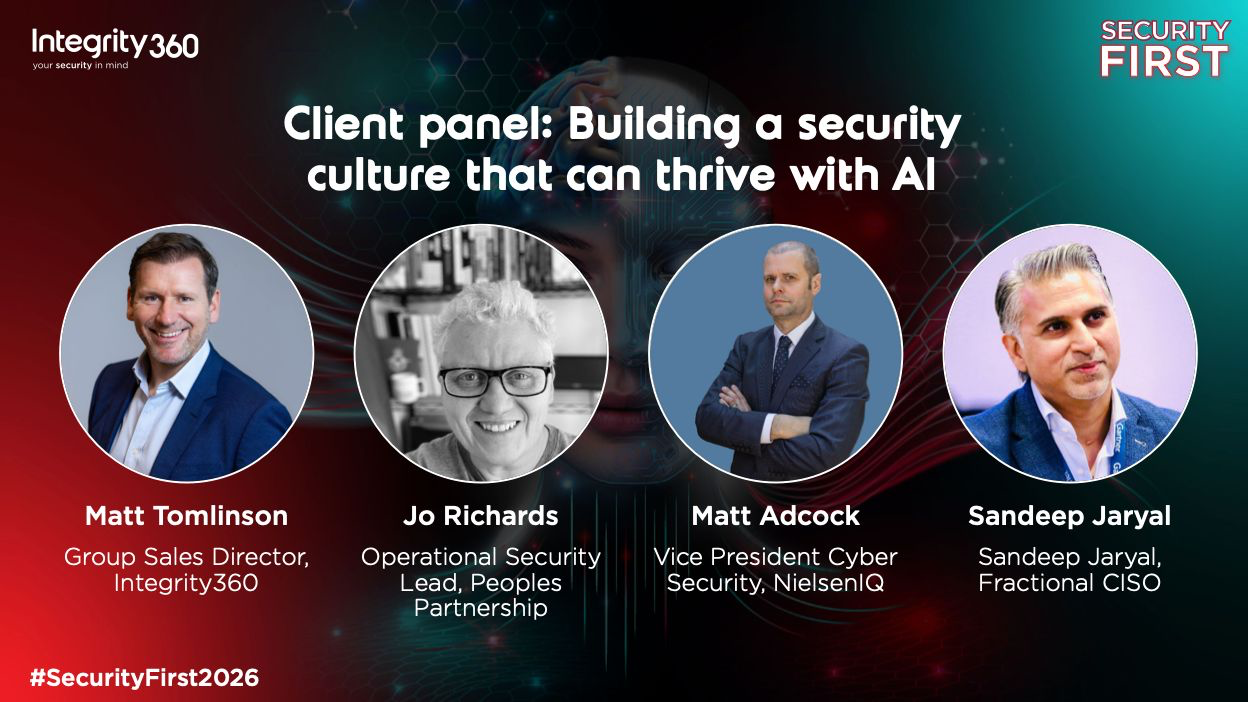
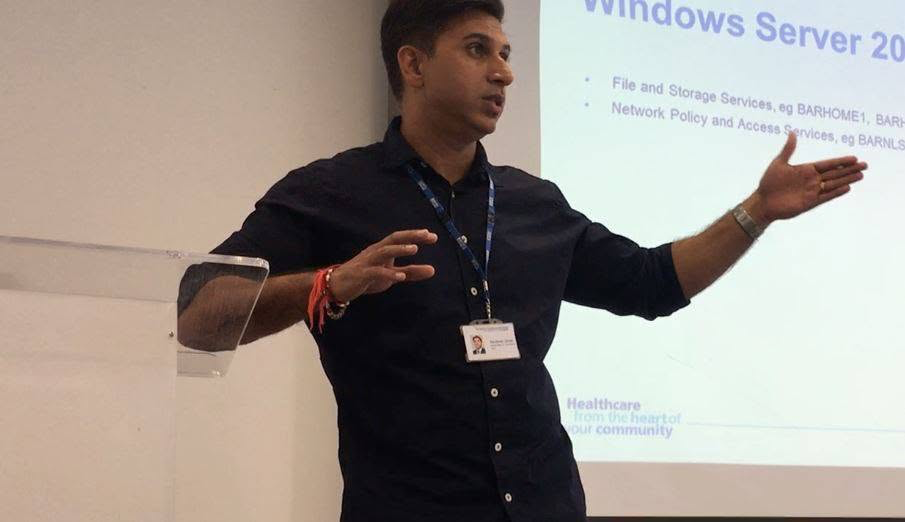
In DevelopmentFrom boardrooms and executive forums to industry conferences and leadership panels, I speak about cybersecurity, AI security & governance and the human side of decision-making under pressure.
Invite me to speakHelping leaders make better decisions when certainty disappears.
Practical governance for organisations adopting AI responsibly.
Why resilience depends on judgement, culture and leadership—not only technology.


Short reflections on cybersecurity, AI security & governance and leadership—designed to make complex ideas easier to understand.
Essays and case studies drawn from advisory work, product development and leadership.
Long-form reflections on cybersecurity, AI security & governance, leadership and better decision-making.
Read on Substack →How a UK organisation transformed security governance into structured, board-ready decision making.
Read case study →Helping a healthcare organisation adopt AI with stronger governance, clearer accountability and human oversight.
Coming soon


Organisation names and logos are used solely to illustrate professional experience and remain the property of their respective owners.
"Sandeep played a pivotal role in shaping our first ICS-wide Cybersecurity Strategy. His collaborative approach and ability to engage stakeholders resulted in a practical, board-approved strategy that provides a strong foundation for delivery.
Andy FerrariDirector of Data, Analytics & TechnologyBuckinghamshire, Oxfordshire & Berkshire West Integrated Care Board
"Sandeep has that rare combination of deep technical expertise and inspirational leadership. He consistently translates complex challenges into practical outcomes while keeping security at the forefront.
Dave AstonAssociate Director of ITBerkshire Healthcare NHS Foundation Trust
"Working with Sandeep was an absolute pleasure. His pragmatic approach, ability to influence and natural leadership make him an immense addition to any information security function.
Sunny RaithathaInformation Security Leader
Whether you're navigating cybersecurity, AI security & governance, leadership pressure or building something meaningful, I'd be glad to start a conversation.